Lead story CH 1 · Technology Today 2 min
IPTV Belgium: Combining Convenience, Choice, and Quality Entertainment
Belgium may be one of the few countries where a single living room can need television in Dutch, French and German, with English programmes on top. That linguistic patchwork has always made traditional channel packages feel like a compromise. Internet-delivered television offers a different deal, and three words keep coming up when people describe what they want from it: convenience, choice and quality. Each deserves a closer look, because they are easier to promise than to deliver.
Convenience: less fiddling, more watching
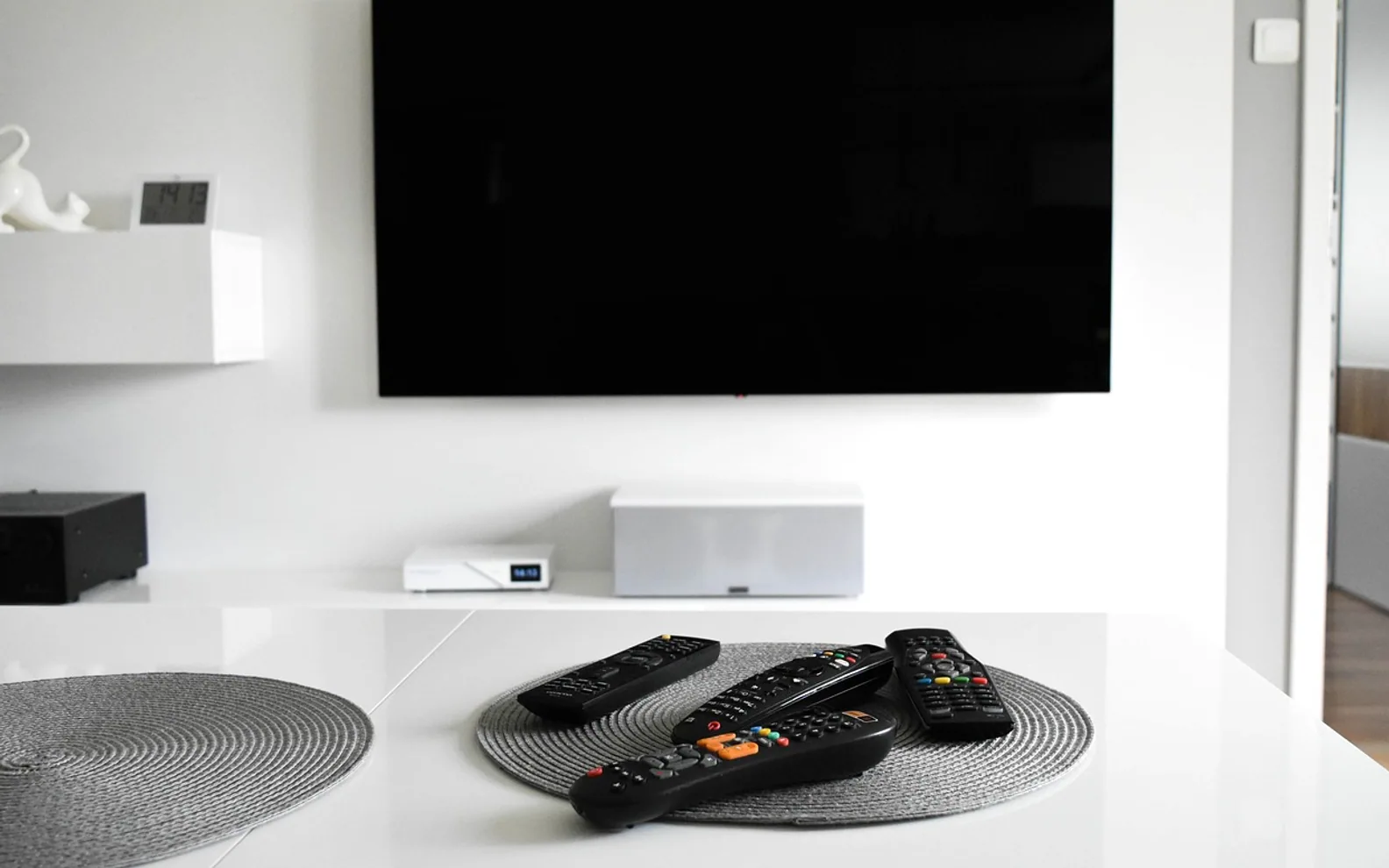
True convenience shows up in small moments. A programme paused in the kitchen can continue on the living-room set. A missed episode sits in the replay menu instead of requiring a recording planned days ahead. Profiles remember who prefers subtitles and who wants the original audio. Setup should be equally painless: an app on the smart TV or a compact box, a login, and a guide that loads without fuss.
Viewers who value this ease often look at IPTV Belgique, which brings live channels and on-demand programmes together in one interface that works across televisions, tablets and phones, so the household does not have to juggle several apps.
Choice: breadth without overload
A long channel list is not automatically a good one. What matters is whether the line-up matches the people in the home. A Flemish family may care most about Dutch-language news and local football, a Walloon household about French drama and talk shows, and an international family in Brussels about channels from home countries. Good services help viewers find their way with search, favourites lists and sensible categories, so choice feels like freedom rather than endless scrolling.
- Check that the channels you actually watch today are included.
- Look for language filters or regional groupings.
- See whether the on-demand library is refreshed regularly.
Quality: more than resolution
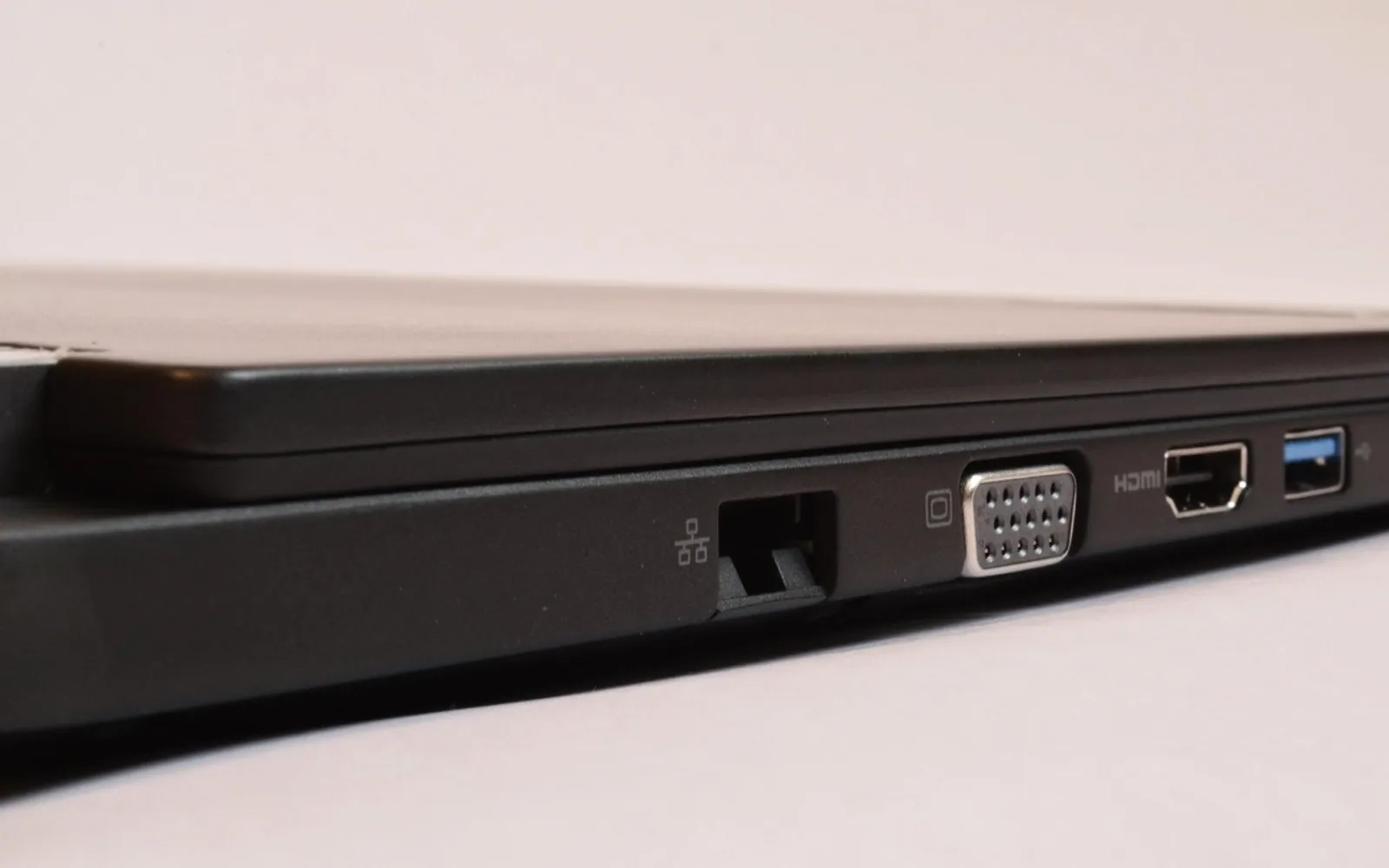
Picture quality is often reduced to labels like HD or 4K, yet the viewing experience depends on more than pixel counts. Stable streams that do not drop out during a goal, quick channel switching, accurate subtitles and audio that stays in sync all contribute. Much of this rests on what happens inside the home: a patch lead behind the sideboard, or rescuing the modem from a closed cupboard, can make a visible difference. Belgium's broadband networks generally support high-definition viewing well, but evening congestion in busy buildings can still affect performance.
Bringing the three together
The best way to judge a service is to use it in ordinary conditions: a weekday evening, two screens running, a live match and a film at the same time. Notice how the interface responds, whether help is available in your language, and how clearly subscription terms are explained. Households should also lean towards operators that are licensed to broadcast their line-up on Belgian territory, since that keeps the service reliable over the long term. When convenience, choice and quality line up, television once again fits around the people watching it rather than the other way around.